Imagine stepping into a brand-new house, perfectly designed with modern amenities, nestled in a vibrant community close to everything you desire. The dream of finding the perfect new home near you is more attainable than ever, thanks to the dynamic trends in the current real estate market. Whether you’re a first-time homebuyer or looking to upgrade, understanding these trends can guide you to your dream property.
In today’s ever-evolving market, knowing what to look for is key. The demand for new homes is driven by various factors, including economic conditions and attractive interest rates. This comprehensive guide will help you navigate the complexities of purchasing your new home, ensuring you make an informed decision that aligns with both your lifestyle and financial goals.
Understanding the Current Real Estate Market
The real estate market is an intricate dance of trends and factors that subtly guide the decisions of homebuyers. Today, these elements are more dynamic than ever, shaping how and where we choose to live.
As we delve into this vibrant landscape, it’s important to grasp the nuances that dictate buying patterns. From shifting demographics to evolving economic conditions, the market is a reflection of the world around us.
Trends Influencing Buying Decisions
In today’s market, several trends are making waves, influencing how buyers approach the pursuit of their dream homes. One prevalent trend is the move towards sustainability and eco-friendly living. As environmental awareness grows, homes that offer energy efficiency and green technologies are gaining traction. Additionally, the pandemic has reshaped preferences, with many seeking larger spaces to accommodate remote work and lifestyle changes.
Factors Driving Demand for New Homes
The demand for new homes is bolstered by several key factors. Among these is the burgeoning population growth in suburban areas, driven by the desire for more space and a peaceful environment away from urban congestion. Furthermore, the rise of remote work has untethered many from city centers, allowing them to explore new locales that offer both tranquility and connectivity.
Another driving force is the quest for modern amenities. Today’s buyers are keen on properties that offer smart home technologies, state-of-the-art security systems, and integrated digital solutions that cater to a tech-savvy lifestyle.
Impact of Interest Rates on Home Purchases
Interest rates are a critical component in the home-buying equation. They serve as both a motivator and deterrent, directly affecting affordability and budgeting for potential homeowners. Low interest rates are particularly enticing, as they reduce borrowing costs, making it easier for buyers to secure financing. Conversely, an uptick in rates can dampen enthusiasm, prompting some to delay their purchase until more favorable conditions arise.
Consider this:
“When interest rates drop, the purchasing power of buyers increases, allowing them to afford more expensive properties or enjoy lower monthly payments.”
This interplay between rates and purchasing power is a fundamental dynamic in the housing market.
The Role of Economic Conditions
Economic conditions play a substantial role in shaping the housing market landscape. Factors such as employment rates, wage growth, and consumer confidence all contribute to the overall health of the market. In times of economic prosperity, there is usually a surge in home buying as confidence and financial security rise.
| Economic Indicator | Impact on Housing Market |
|---|---|
| Employment Rates | Higher employment often boosts buying power and market activity. |
| Wage Growth | Increases in wages can lead to greater affordability and demand for homes. |
| Consumer Confidence | Reflects the public’s optimism and willingness to make major purchases like homes. |
Understanding these economic undercurrents is crucial for both buyers and sellers, as they navigate the ever-evolving terrain of the real estate market.
Key Features of New Homes Near Me
When searching for a new home, it’s crucial to look beyond just the surface. The right property can offer more than just a place to live; it can be a sanctuary that caters to your lifestyle and anticipates your future needs.
To make the most informed decision, understanding the essential features and modern amenities that define today’s homes is key. Let’s dive into what makes a home truly stand out in the current market.
Essential Features to Consider
Before making that big decision, consider the features that will impact your daily life and long-term satisfaction. Here are some crucial attributes you should not overlook when evaluating new homes in your area:
- Proximity to essential services and transport
- Quality of local schools and community amenities
- Potential for property value growth in the area
- Availability of green spaces and recreational facilities
These factors can greatly enhance your living experience, ensuring you not only find a home but also a community you love.
Modern Amenities that Enhance Property Value
In today’s competitive real estate market, modern amenities can significantly enhance the appeal and value of a property. Consider the following:
- Smart home technologies like automated lighting and security systems
- High-speed internet and robust connectivity options
- Luxurious touches such as heated floors and spa-like bathrooms
- Eco-friendly materials and sustainable construction practices
Smart technologies not only offer convenience but also add an element of future-proofing, making your home more adaptable to technological advancements.
Benefits of Energy-Efficient Homes
With rising energy costs and growing environmental consciousness, energy-efficient homes are more desirable than ever.
Choosing an energy-efficient home is an investment in both your future and the planet’s well-being.
These homes typically feature:
- Solar panels to reduce electricity bills
- Enhanced insulation and double-pane windows for better temperature control
- Energy Star-rated appliances that consume less power
- Water-efficient fixtures to minimize waste
In addition to lower utility bills, energy-efficient homes often boast higher resale value and are a step towards a sustainable lifestyle.
Comparing Architectural Styles in New Homes
Whether you prefer a modern aesthetic or a more traditional design, the architectural style of a home can greatly affect its charm and functionality. Here’s a comparison of popular styles:
| Style | Characteristics |
|---|---|
| Contemporary | Open floor plans, large windows, and minimalistic design |
| Colonial | Symmetrical facades, brick or wood siding, and gabled roofs |
| Ranch | Single-story layout, long and low ground-hugging profile |
| Craftsman | Handcrafted woodwork, built-in furniture, and a focus on natural materials |
This knowledge allows you to choose a home that not only matches your personal taste but also complements the lifestyle you envision.
Financing Your Dream Property
Navigating the financial landscape of buying a new home can seem overwhelming, but with the right information, you can secure the best deal for your future. Understanding the financing options available is the first step in turning your dream into reality.
Let’s delve into the various methods that can help you secure a mortgage, especially if you’re a first-time homebuyer. From traditional loans to government-backed programs, there are numerous pathways to homeownership.
Securing a Mortgage for Your New Home
Obtaining a mortgage is a key step in purchasing a home. Lenders offer different types of mortgages, and choosing the right one depends on your financial situation. Here are some common methods to secure a mortgage:
- Fixed-rate mortgages: These offer a steady interest rate throughout the life of the loan, which makes budgeting easier.
- Adjustable-rate mortgages (ARMs): Initially have lower rates that adjust over time, potentially rising or falling with market conditions.
- Government-backed loans: Options such as FHA, VA, and USDA loans often require lower down payments and have more lenient credit requirements.
Exploring Financing Options for First-Time Homebuyers
First-time homebuyers are often at an advantage when it comes to securing favorable loan terms. Programs tailored for them can be pivotal in easing financial burdens. Here are some options to consider:
- State and local programs: Many local governments offer assistance programs designed to help new buyers enter the housing market.
- FHA loans: Backed by the Federal Housing Administration, these loans typically require a lower down payment and are ideal for buyers with lower credit scores.
- First-time homebuyer programs: Lenders and real estate agencies often provide special loans with better terms for newcomers to the market.
Comparing Financing Types
It’s essential to compare the different financing options available to ensure you choose the one that best suits your needs and financial situation. Below is a table outlining the financing types, typical interest rates, and eligibility criteria:
| Financing Type | Interest Rates | Eligibility Criteria |
|---|---|---|
| Fixed-rate mortgage | 3.5% – 4.5% | Stable income, good credit history |
| Adjustable-rate mortgage (ARM) | 2.5% – 3.5% initially | Flexible financial planning, risk tolerance |
| FHA Loan | 3.0% – 4.0% | Lower credit score, smaller down payment |
| VA Loan | 2.75% – 3.5% | Veterans, active-duty service members |
The Role of Credit Scores in the Home-Buying Process
Your credit score plays a crucial role in determining your eligibility for a mortgage and the interest rate you will receive. Higher credit scores often translate to lower interest rates, thereby reducing the overall cost of the loan. It’s vital to understand the importance of maintaining a good credit score, as it not only impacts your ability to secure a mortgage but also affects your financial health in general.
“A strong credit score is your golden ticket to favorable home-buying terms.”
Monitoring and improving your credit score before applying for a mortgage can save you thousands of dollars over the life of your loan. Consider paying down existing debt, avoiding new credit inquiries, and making all payments on time to boost your score.
Location and Community Considerations
Choosing the right location is crucial when investing in a new home. It’s not just about the physical structure, but the lifestyle it offers and the community it is a part of.
Location determines your daily commute, your social circle, and even the long-term value of your property. While the house itself is important, the community and amenities around it play a significant role in your overall satisfaction and quality of life.
The Importance of Evaluating Community Amenities
A vibrant community can enhance your living experience and increase the desirability of your property. It’s essential to consider what amenities are available, such as parks, shopping centers, and recreational facilities. These elements don’t just add convenience but also enhance social interaction and well-being. A well-equipped community tends to attract more buyers, thereby boosting property values over time.
Proximity to Schools and Workplaces
One of the key factors in determining the value of a home is its proximity to reputable schools and major workplaces. Families often prioritize homes that are within a short commute to good schools, ensuring their children have access to quality education. Similarly, being close to workplaces can save hours of commuting, reducing stress and increasing your free time. This proximity not only adds convenience but can also significantly influence the property’s future resale value.
When choosing a neighborhood, consider factors such as safety, accessibility, and future development plans. These elements can dramatically influence your lifestyle and the long-term appreciation of your investment.
Navigating the Home Buying Process
Embarking on the journey to purchasing a new home can be both exhilarating and daunting. With the right guidance, you can transform this complex process into a smooth and rewarding experience.
Understanding the steps involved and the resources at your disposal is crucial. From the initial search to signing the final documents, each step brings you closer to your dream home.
Steps in the Home Buying Journey
Embarking on this path requires a clear roadmap. Here’s a structured guide to help you from start to finish:
- Determine your budget and get pre-approved for a mortgage.
- Research potential neighborhoods and home types.
- Work with a real estate agent to find suitable properties.
- Attend open houses and schedule viewings.
- Make an offer on your chosen home.
- Conduct a thorough home inspection.
- Negotiate terms and finalize the purchase agreement.
- Arrange for a final walk-through of the property.
- Close the deal and receive the keys to your new home.
Checklist for Savvy Homebuyers
Equip yourself with a comprehensive checklist to simplify your home search and ensure no crucial step is missed:
- Review your credit report and improve your credit score if needed.
- Compile a list of desired home features and amenities.
- Assess the proximity to schools, work, and other essential services.
- Secure a reliable home inspector for the critical inspection stage.
- Research the area’s real estate market trends to make informed offers.
- Verify all legal documents with a real estate lawyer before signing.
The Crucial Role of Home Inspections
Before you finalize your purchase, a home inspection is an essential step to uncover any hidden issues. Attention to detail during this phase can save you from unforeseen expenses and ensure peace of mind:
Inspections typically assess the structural integrity, plumbing, electrical systems, and overall safety of the property. If problems surface, you have the option to negotiate repairs or adjust the purchase price, aligning with your financial plans.
The Role of Real Estate Agents
Real estate agents serve as vital partners in your home buying journey. Their expertise not only simplifies the search but also enhances your buying strategy:
“A skilled real estate agent is your guide, negotiator, and advisor all in one, making the home buying process smoother and more efficient.”
Agents offer insights into market trends, provide access to exclusive listings, and manage the intricacies of negotiations. Their support can prove invaluable, helping you secure your dream home with confidence.
Long-term Investment Potential
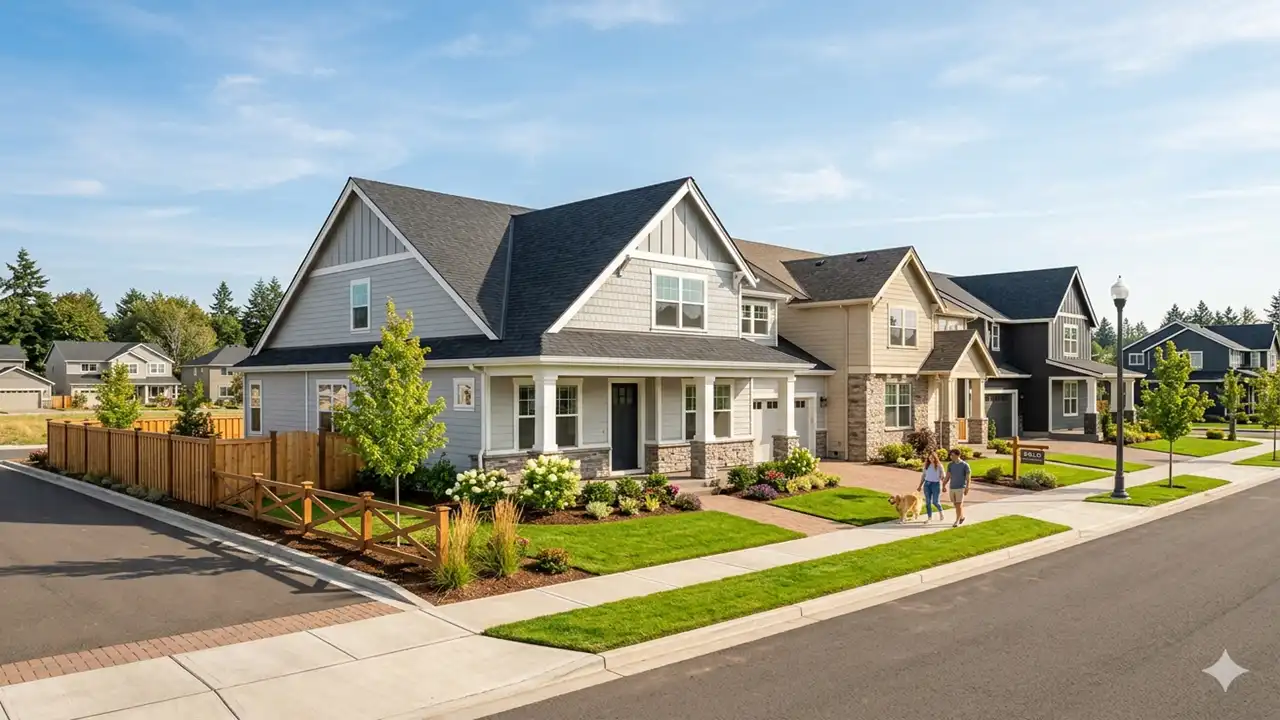
In today’s dynamic real estate market, purchasing a new home is more than just acquiring a property; it’s crafting a future and investing in a legacy. The potential for long-term growth makes buying new homes a wise choice for those looking to secure their financial future.
Understanding how these investments can evolve over time is crucial. By examining market trends and appreciating values, potential homeowners can make informed decisions that promise not only immediate satisfaction but also long-term benefits.
Trends Influencing Future Property Value
When we talk about trends, it’s essential to recognize that location, economic stability, and infrastructure development play pivotal roles. A property in a developing neighborhood with good schools, transport links, and amenities is likely to appreciate more rapidly than one in a declining area. Recent years have shown a notable increase in demand for properties in suburban areas, driven by remote work trends and the desire for more space. This shift has resulted in increased values in suburban markets that were previously underrated.
Successful Real Estate Investments Across Markets
Consider cities like Austin, Texas, where real estate values have surged due to an influx of tech companies and a booming job market. Similarly, areas in Florida have seen significant appreciation as retirees and remote workers seek warmer climates. Investors who purchased properties in these regions a decade ago have reaped substantial rewards. These examples illustrate that by strategically selecting locations aligned with growth trends, you can turn your home into a lucrative asset.
Impact of Appreciation Rates on Home Value
Appreciation rates directly affect your home’s future value, forming the cornerstone of real estate investment. Over time, a seemingly modest annual appreciation rate can lead to significant gains. For instance, a 3% annual appreciation on a $300,000 home will see its value rise to approximately $403,000 in a decade. This growth isn’t just theoretical; it’s a financial reality for countless homeowners who have watched their properties transform from humble abodes to financial powerhouses.
“In real estate, appreciating the power of time and patience can turn dreams into wealth.”
Closure
As you embark on the journey of discovering your dream property, remember that buying a new home is not just a purchase; it’s an investment in your future. With the right knowledge and a clear strategy, you can secure a home that grows in value and enhances your quality of life. Dive into the possibilities and let your dream home become a reality in today’s thriving market.

