In a world where time is of the essence, the real estate market is no exception. Selling a house quickly and profitably may seem daunting, but with the right strategies, it can be a smooth and rewarding journey. Understanding how market dynamics, effective staging, and strategic pricing come together is the key to unlocking a successful sale.
Imagine transforming your home into the most coveted property on the block. From mastering the art of curb appeal to utilizing cutting-edge marketing platforms that maximize exposure, discover how you can captivate potential buyers and close the deal faster than you ever thought possible.
Understanding Market Trends for a Quick House Sale
In the fast-paced world of real estate, staying informed about market trends is your ticket to a swift and profitable house sale. These trends act as guiding stars, illuminating the right path to a quick sale.
Real estate market trends are shaped by various factors including economic shifts, interest rates, and consumer behavior. Understanding these trends can help you strategically position your property in the market, ensuring you catch the eye of the right buyers.
How Market Fluctuations Impact House Pricing
The ebb and flow of market conditions can dramatically influence the pricing of your home. For instance, during a seller’s market, where demand exceeds supply, house prices often soar. Conversely, in a buyer’s market, with more homes available than buyers, prices might slump. This fluctuation is a clear indicator of the need to time your sale accurately to maximize profit.
Timing isn’t just about knowing when to sell; it’s about understanding the rhythm of the market. Recognizing these patterns can be the difference between a quick sale and a long, drawn-out process with price reductions.
The Importance of Timing in Selling a House Fast
Timing is everything in real estate. Selling your house at the right moment can lead to a faster sale and a better price. The seasons, economic cycles, and even local events can dictate the tempo of the housing market.
- Spring: Often considered the peak season for selling houses due to favorable weather and the end of the school year.
- Winter: Typically slower, but less competition can be advantageous.
- Economic Conditions: Low interest rates often increase buyer activity.
Methods to Research and Analyze Local Housing Trends
Gaining insight into local housing trends requires a multi-faceted approach. Start by examining online real estate platforms, which offer data on recent sales, pricing trends, and neighborhood statistics. Engaging a local real estate expert can provide insider knowledge and interpretation of these trends.
| Method | Benefits |
|---|---|
| Online Real Estate Platforms | Access to real-time data and comprehensive analytics |
| Consulting Real Estate Agents | Expert advice tailored to your local market |
“Knowledge of market trends is not just beneficial; it’s essential for a quick house sale.”
Home Staging Techniques to Attract Potential Buyers
Transforming your home into a buyer’s dream can significantly hasten the sale process and increase your profit margin. By employing effective home staging techniques, you’re not just selling a property; you’re offering a lifestyle.
Home staging is an art that involves strategically arranging furniture, décor, and accents to highlight the best features of your home. It’s about crafting an environment where potential buyers can envision themselves living comfortably and happily.
Enhancing Curb Appeal and First Impressions
The first impression can make or break a sale, so it’s crucial to enhance your home’s curb appeal. Start by ensuring your lawn is manicured and free of debris. A fresh coat of paint on the front door, clean windows, and a welcoming front porch can work wonders.
- Plant seasonal flowers to add color and vibrancy.
- Install outdoor lighting for evening showings.
- Ensure pathways are clear and well-maintained.
Remember, a potential buyer’s first view of your home can set the tone for their entire visit, so make it count!
Checklist for Preparing Your Home for Showings
Preparation is key when opening your home to potential buyers. Here’s a comprehensive checklist to ensure your home is ready for showings:
- Declutter and depersonalize all rooms.
- Deep clean your entire home, focusing on kitchens and bathrooms.
- Organize closets and storage spaces to display ample storage capacity.
- Arrange furniture to create a spacious, welcoming atmosphere.
- Set the dining table with stylish dinnerware to suggest possibilities of delightful gatherings.
- Add fresh flowers or plants for a touch of nature inside.
Analyzing Staging Costs and Expected ROI
Investing in home staging can seem daunting, but the potential returns often outweigh the initial costs. Here’s a breakdown of potential expenses and their possible impact:
| Staging Costs | Expected ROI | Potential Buyer Reactions |
|---|---|---|
| $500 – $1,500 (DIY Staging) | 5% increase in offer prices | Appreciation for personal touches |
| $2,000 – $4,000 (Professional Staging) | 10% increase in offer prices | Perception of a high-value, move-in-ready home |
| $4,500+ (Luxury Staging) | 15% increase in offer prices | Attraction to luxury and high-end living features |
“Staging is not about decorating a home; it’s about marketing a property.”
By understanding the power of presentation, you can effectively position your home to appeal to the tastes of discerning buyers.
Pricing Strategies for a Swift and Profitable Sale
Deciding on the right price for your home is a critical step that can either speed up your sale or leave your property lingering on the market. Let’s delve into various strategies and methods to ensure your home is priced just right.
Setting an appropriate price involves a blend of market knowledge, professional insights, and strategic planning. By understanding different pricing strategies and applying them effectively, you can enhance your chances of a quick and profitable sale.
Comparing Different Pricing Strategies
Different pricing strategies can lead to varying outcomes in terms of how quickly and profitably your house sells. Here’s a look at several strategies and their potential impacts:
| Strategy | Impact on Sale Speed |
|---|---|
| Competitive Pricing | Fast – Attracts more buyers quickly. |
| Overpricing | Slow – May deter potential buyers. |
| Underpricing | Very Fast – Can lead to bidding wars but might reduce profit. |
| Value-Based Pricing | Moderate – Appeals to buyers who perceive high value. |
Assessing and Setting a Competitive Price
Determining a competitive price for your home is crucial for enticing buyers. The following methods can guide you:
Begin by conducting a comprehensive market analysis. Look at properties similar to yours in terms of size, location, and condition, and see what they have sold for recently. This comparative approach helps you position your price attractively.
“A well-researched price tag can be your strongest marketing asset.”
The Role of Professional Appraisals in Determining Home Value
Professional appraisals offer an unbiased assessment of your home’s value, which can be instrumental in setting the right price. These appraisals consider various factors such as property condition, recent sales in the area, and market trends.
An appraisal not only helps in pricing but also strengthens your negotiating position with potential buyers, offering a factual basis for your asking price.
Common Pricing Mistakes to Avoid
Avoiding common pitfalls in pricing can make a significant difference in both the speed and profitability of your sale. Here are some mistakes to watch out for:
- Ignoring market trends and setting an unrealistic price.
- Failing to adjust the price in response to market feedback.
- Neglecting the impact of online home valuations.
- Underestimating the competition and overpricing.
Marketing Your Home Effectively to Reach More Buyers
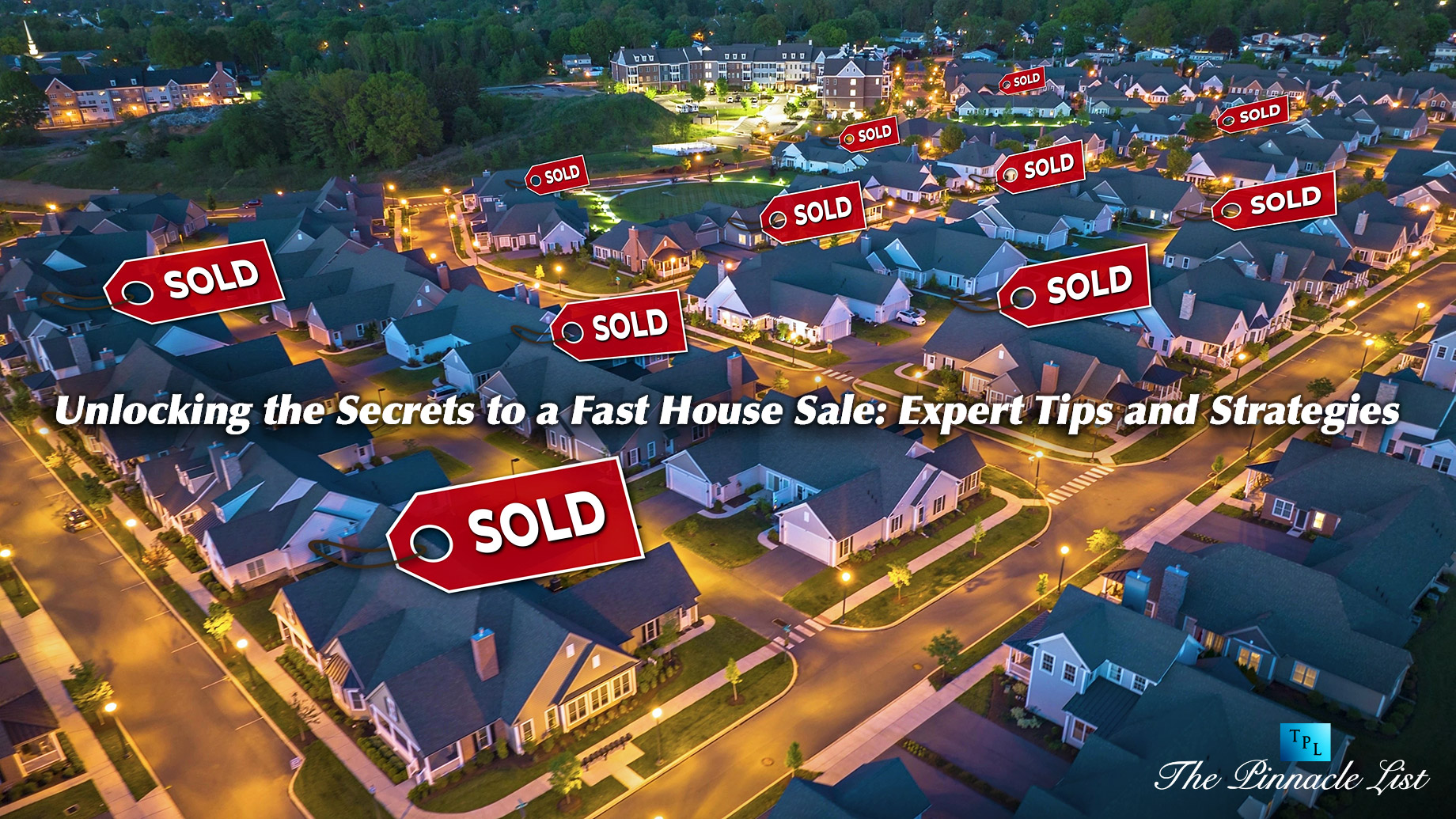
Are you ready to captivate potential buyers and sell your house at lightning speed? Unlock the power of strategic marketing to elevate your property’s visibility and allure. In today’s competitive market, reaching a vast audience is essential for a swift sale.
By mastering online platforms, utilizing professional visuals, and leveraging social media, you can ensure your home steals the spotlight in the real estate arena.
Leveraging Online Platforms for Maximum Exposure
In the digital age, online platforms are your best allies in reaching a broader audience. Maximizing your home’s online presence doesn’t just mean listing your property; it involves strategic placement and presentation. Utilize popular real estate websites like Zillow, Realtor.com, and Redfin to showcase your home effectively.
- Ensure your listing includes crucial details and highlights the best features of your home.
- Monitor and update your listings regularly to keep the information fresh and accurate.
- Engage with interested buyers promptly to keep the momentum going.
The Visual Edge: Professional Photography and Virtual Tours
Make your property irresistible with professional photography and virtual tours. First impressions are everything, and high-quality visuals can make your home stand out.
- Invest in professional photography to capture your home in its best light.
- Offer virtual tours that allow potential buyers to explore your home from the comfort of theirs.
- Create a compelling visual story that showcases the unique charm of each room.
Harnessing Social Media for Increased Property Visibility
Social media platforms are a treasure trove for real estate marketing. By strategically using social media, you can extend your reach and engage with potential buyers in creative ways.
- Share stunning images and videos of your home on platforms like Instagram and Facebook.
- Use targeted ads to reach specific demographics interested in purchasing in your area.
- Engage with your audience by hosting live virtual open houses on social media.
“In the ever-evolving real estate market, innovative marketing tactics are the key to a successful sale. From digital strategies to engaging visual content, embracing creativity can make all the difference.” — Real Estate Marketing Expert
Negotiation Tips to Close the Deal Quickly
Stepping into the negotiation phase can often feel like entering a thrilling yet nerve-wracking chess match. Arm yourself with these strategic moves to ensure you come out victorious, closing your house sale both swiftly and profitably.
Mastering negotiation is an art that can transform potential roadblocks into seamless pathways toward closing a deal. By understanding buyer psychology and market dynamics, you can tailor your approach to not only meet but exceed your expectations.
Understanding and Overcoming Buyer Objections
Buyers often have a list of concerns that can stall the negotiation process. These might include worries about the home’s condition, neighborhood dynamics, or future market stability. Address these concerns head-on by being prepared with detailed answers and solutions. For example:
- Home Condition: Present a recent inspection report and highlight any repairs or improvements made.
- Neighborhood Dynamics: Provide crime statistics, school ratings, and community reviews that paint a positive picture.
- Market Stability: Share expert forecasts and highlight any upward trends in the area.
Handling Multiple Offers Effectively
Multiple offers are a fantastic problem to have, but they require careful navigation to extract the most value. Here’s how you can leverage multiple offers to your advantage:
“In negotiations, let the other side propose first. Their opening offer may surprise you.”
Step into the role of an orchestrator, creating a competitive atmosphere that prompts buyers to put forth their best offers. By communicating transparently with all parties involved and setting clear deadlines for revisions, you maintain control over the pace of negotiations. Consider the following scenario:
| Offer Characteristics | Strategy |
|---|---|
| Higher Price, More Contingencies | Negotiate to reduce contingencies or extend the timeline for resolution. |
| Lower Price, Fewer Contingencies | Counter-offer with slight price increase while maintaining minimal contingencies. |
| Cash Offer, Quick Close | Encourage a bidding war if possible, or accept for a rapid, hassle-free transaction. |
Scenario-Based Breakdown of Negotiation Stages
Picture this: You receive three offers on your property, each with its unique set of terms. Here’s a breakdown of how you might navigate through these:
- First Stage: Evaluate all offers based on price, contingencies, and buyer qualifications. Decide which offer aligns most closely with your priorities.
- Second Stage: Engage in a back-and-forth dialogue with the top contenders, leveraging their interest against each other to improve terms.
- Final Stage: Seal the deal by emphasizing the benefits of a quick close, offering minor incentives if needed to tip the scales in your favor.
By strategically maneuvering through these stages, you can not only close the deal quickly but also optimize the outcome to your benefit.
Legal and Financial Considerations for a Fast Sale
Embarking on the journey to sell your home quickly involves more than just finding the right buyer; it’s a dance of legal documents and financial decisions. Understanding these elements can be the key to unlocking a seamless transaction.
The process involves navigating a labyrinth of paperwork and potential pitfalls. To ensure a smooth sale, it’s crucial to comprehend the legal and financial steps involved, from the necessary documents to the costs you might incur.
Essential Legal Documents in the Home Selling Process
Among the myriad of papers, certain legal documents are non-negotiable when selling your home. These include the property deed, disclosure forms, and the sales agreement. Each document serves a pivotal role in legitimizing the transaction and protecting both parties involved. Ensuring these documents are in order and readily available can significantly expedite the sale process.
- Property Deed
- Disclosure Forms
- Sales Agreement
Financial Implications of a Quick Sale
Selling your house swiftly can affect your finances in various ways. These effects might include costs associated with pre-sale home inspections, potential concessions made to buyers, and expedited closing fees. While a fast sale often means a quicker cash influx, being prepared for these potential expenses can help manage your financial expectations.
Legal Tasks and Responsibilities
To provide a clear roadmap of responsibilities and expectations, here’s a table that lays out the key legal tasks, who is responsible for each, the expected timelines, and potential costs associated:
| Legal Task | Responsible Party | Timeline | Cost |
|---|---|---|---|
| Property Assessment | Homeowner/Real Estate Agent | 1-2 weeks | $300-$500 |
| Contract Preparation | Attorney | 1-2 days | $500-$1000 |
| Disclosure Forms | Homeowner | 1 week | Varies |
Working with Real Estate Agents and Attorneys
Teaming up with experienced real estate agents and attorneys can be your guiding light through the complex maze of selling your home. These professionals offer invaluable insights, from pricing strategies to legal advice, ensuring compliance and efficiency. As you navigate this process, remember:
Smart partnerships pave the way to successful, swift sales.
Final Thoughts
Embarking on the journey to sell your house fast isn’t just about quick transactions; it’s about smart, informed decisions that lead to profitable outcomes. Armed with expert strategies and a proactive mindset, you’re well on your way to turning your property into a sought-after asset. So take the leap, implement these tactics, and watch as your house becomes the gem of the market.

